You might also like
Dive deeper – explore more blogs about real estate industry.

The headline index says the market is calm. Segment by segment it says something considerably more interesting.

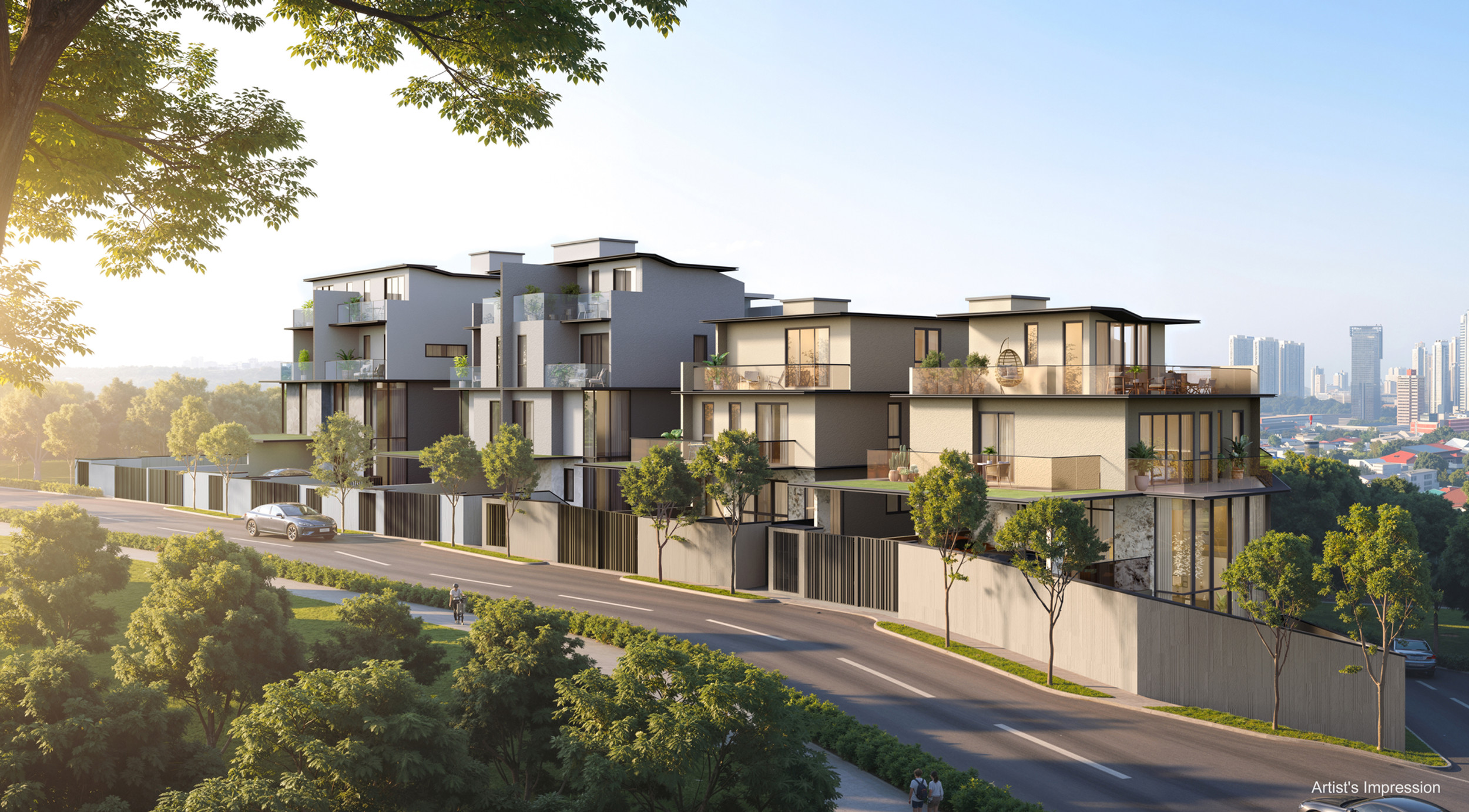
Read only the headline and Singapore's private residential market in 2026 looks placid. The overall index rose 0.5% in the second quarter, according to URA data reported by The Straits Times in July — the kind of number that generates no news at all.
Segment level tells a different story. In the same quarter, landed rents rose 2.7%, the strongest showing of any segment, while prime Core Central Region rents climbed 1.2%. A headline that averages a 2.7% move with the rest of the market into 0.5% is not describing a calm market. It is describing a market pulling apart.
The mechanism is supply, and it is not cyclical. Landed housing is around 5% of Singapore's stock and that share does not grow; Good Class Bungalows — roughly 2,800 homes across 39 gazetted areas — sit at the top of that pyramid under planning rules that cap what can ever exist. Cooling measures work on demand. They do not create land.
The policy backdrop has also quietly hardened. Seller's Stamp Duty was extended in July 2025 to a four-year holding period, starting at 16% in year one. ABSD has stood at 60% for foreign buyers and 65% for entities since April 2023. Together these do not so much suppress the luxury market as change who is in it: the buyer who needs an exit inside three years is now largely priced out, leaving a pool with longer horizons and less need to sell into weakness.
That reshaping is worth watching more closely than the index. A market where short-horizon capital has been taxed out behaves differently in a downturn — there is less forced selling, and prices are stickier on the way down. It also means transaction volume tells you less than it used to. Fewer trades in a segment where nobody needs to trade is not the same signal as fewer trades in a segment where everyone wants to.
For 2026, the useful question is not whether prices are rising. It is which parts of the market can respond to demand by building more, and which cannot. On current evidence, the parts that cannot are where the pressure is showing up first — in rents, ahead of prices, as it usually does.