You might also like
Dive deeper – explore more blogs about real estate industry.

Compare Grade A, B+ and B offices in Singapore, the features behind each label and how to choose space for your business.
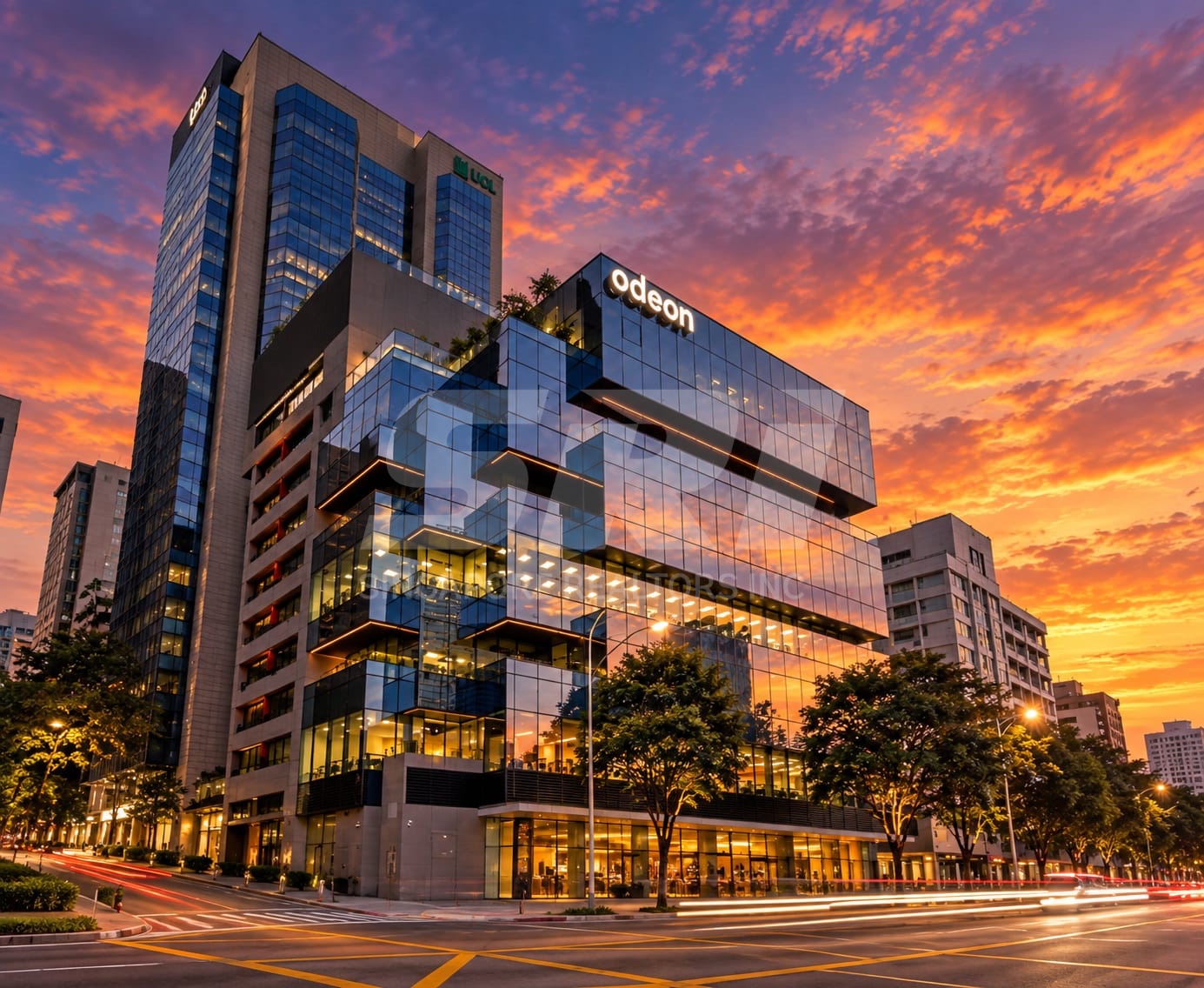
When companies look for office space in Singapore, one of the first terms they will come across is Grade A, Grade B or Grade C office space.
But what do these grades actually mean?
In Singapore, these classifications are commonly used by landlords, property consultants and commercial real estate agencies to describe the overall quality, location and specifications of an office building. They are industry descriptions rather than a single universal benchmark, so a grade should be a starting point for comparison rather than a substitute for inspecting the actual space.
At the very top of Singapore's commercial office market are what the industry often refers to as Prime Grade A, Premium Grade A or sometimes “Super Grade A” offices.
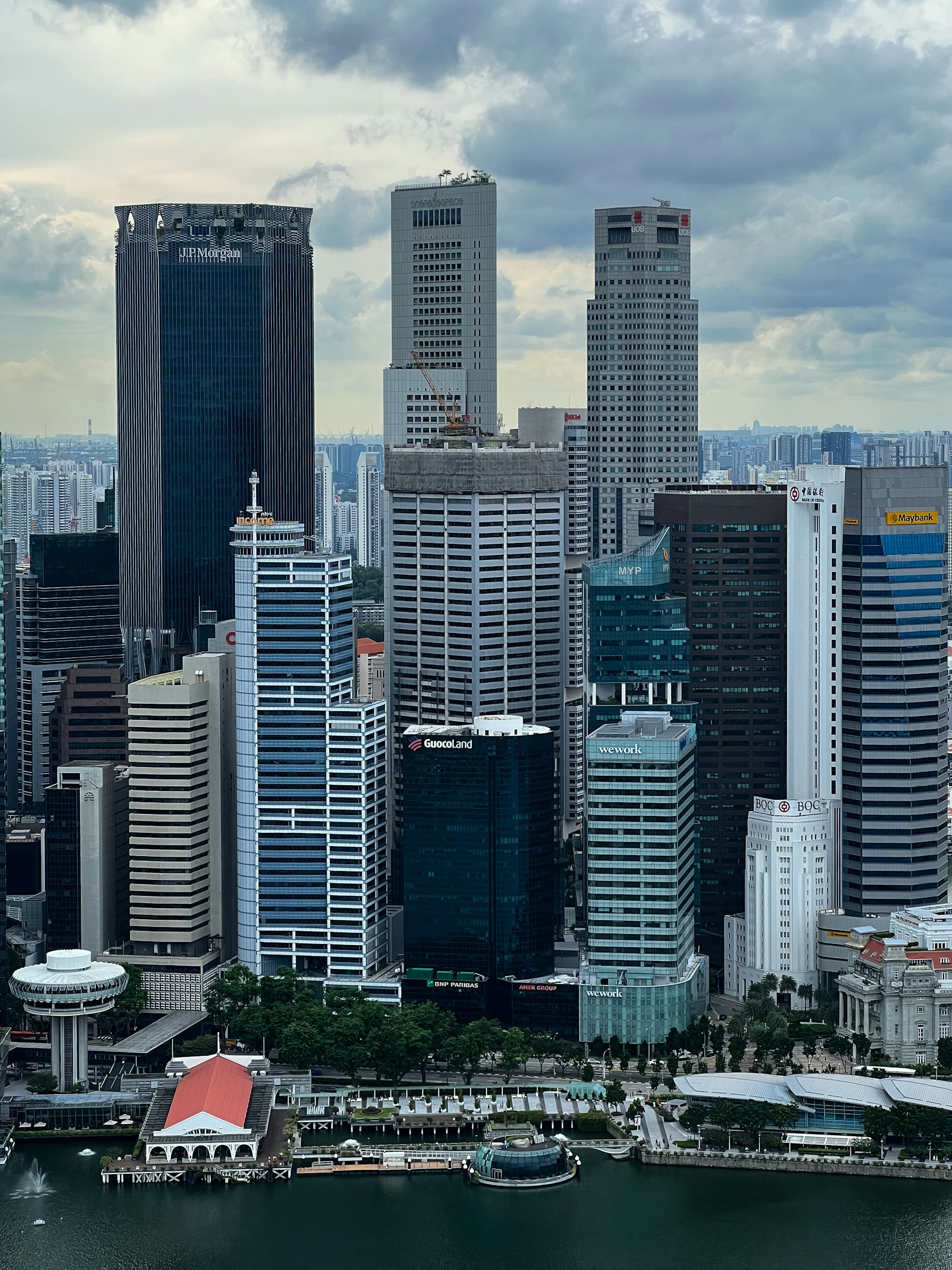
These are generally landmark developments located in Singapore's most prestigious commercial districts, particularly Marina Bay, Raffles Place and Tanjong Pagar.
They usually offer:
These buildings are particularly popular with multinational corporations, banks, financial institutions, law firms, technology companies and companies looking for a prestigious regional headquarters.
Grade A offices remain premium corporate buildings, although there can be considerable variation within the category.
A Grade A building would typically have a strong CBD or city-fringe location, good building specifications, professional management and modern facilities.
For many businesses, Grade A offices provide an excellent balance between corporate image, accessibility, specifications and rental cost.
The term Grade B+ is commonly used for buildings that sit between Grade A and traditional Grade B offices.
They may be older buildings that have undergone substantial refurbishment, or buildings in excellent locations that do not quite match the specifications of the newest Grade A developments.
A Grade B+ office can therefore represent very good value.
Businesses may still enjoy a prestigious CBD address and quality office environment while paying a lower rental compared with newer Grade A towers.
Grade B offices are generally older commercial buildings with more modest specifications.
However, “Grade B” does not necessarily mean poor quality.
Many Grade B offices occupy excellent locations in Raffles Place, Robinson Road, Cecil Street and Tanjong Pagar.
Typical characteristics may include:
Their biggest advantage is often cost efficiency.
For SMEs, professional firms, trading companies and businesses that prioritise location over luxury specifications, Grade B offices can be an attractive option.
Grade C is less commonly used as a marketing term in Singapore.
These buildings are often described instead as secondary offices, older strata offices or value offices.
They generally have older building infrastructure, simpler specifications and fewer modern facilities.
However, rents can be considerably lower, making them suitable for companies where functionality and affordability are more important than corporate image.
There is no single factor.
Office grading generally considers a combination of:
A Raffles Place or Marina Bay address will generally command greater prestige than a secondary commercial location.
New developments or extensively refurbished buildings generally achieve higher classifications.
Large, column-free and regularly shaped floors allow companies to maximise workspace efficiency.
Air-conditioning, electrical capacity, raised flooring, ceiling heights, lifts and building-management systems all matter.
First impressions are particularly important for businesses receiving clients and corporate visitors.
Direct connections or short walking distances to MRT stations significantly enhance a building's appeal.
Green Mark ratings, energy efficiency and ESG considerations are becoming increasingly important to multinational companies.
Professional management, maintenance standards, security and tenant services can significantly influence how a building is positioned.
The highest grade is not automatically the right choice for every business.
A multinational corporation establishing its regional headquarters may prioritise a landmark Grade A address.
An SME might prefer a Grade B+ building in the same CBD location at a considerably lower rental.
Another company may prioritise a larger floor plate, sea view, fitted office or proximity to clients rather than the building's grade alone.
The right office should therefore be assessed based on:
Location + Rental + Image + Space Efficiency + Building Specifications + Business Requirements.
Understanding Singapore's office grading system allows businesses to compare buildings more effectively and identify where they are receiving the best value.
Whether you are considering Marina Bay, Raffles Place, Tanjong Pagar, Suntec, Orchard or the city fringe, the key is not simply finding the highest-grade building — but finding the office that best matches the company's operations, branding and budget.
Grade labels can vary between consultants and landlords. Ask for the actual floor plan, air-conditioning hours, service charges, fit-out condition, lift provision and maintenance arrangements for the unit you are considering. An older building may have been refurbished, and two units in the same tower can offer very different working environments.
Sustainability certification is a separate check: BCA Green Mark is a building certification scheme, rather than an office Grade A, B or C label. Check the building’s current certification and the landlord’s supporting information when environmental performance forms part of your brief.
Start with your headcount, required rooms, preferred location, total occupancy budget and move date. Explore our office leasing guide, or meet the full team and choose your agent. If you have no agent preference, contact the Finest SRI team.