You might also like
Dive deeper – explore more blogs about real estate industry.

Landed is about 5% of Singapore's housing stock and that share does not grow. What fixed supply did to landed rents in Q2 2026.

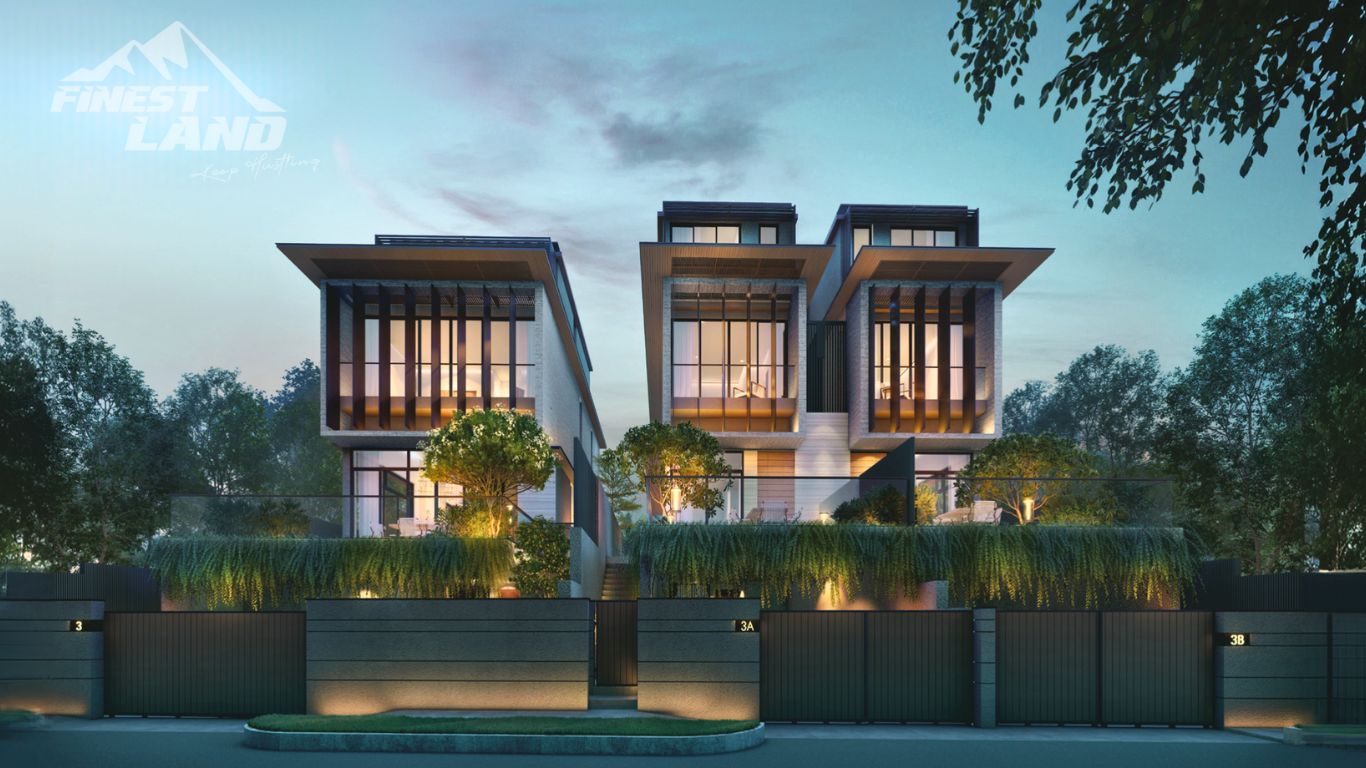
This is the supply argument on its own. For the full side-by-side on price, floor space, who is allowed to buy and what each costs to run, see condo vs landed property in Singapore. What condominiums actually cost across sixteen districts is set out with the psf on the same basis.
The condo-versus-landed question is usually framed as a lifestyle trade: space and privacy on one side, convenience and facilities on the other. That framing is fine as far as it goes, but it misses the thing that actually drives long-run outcomes. One of these two assets can be built more of. The other cannot.
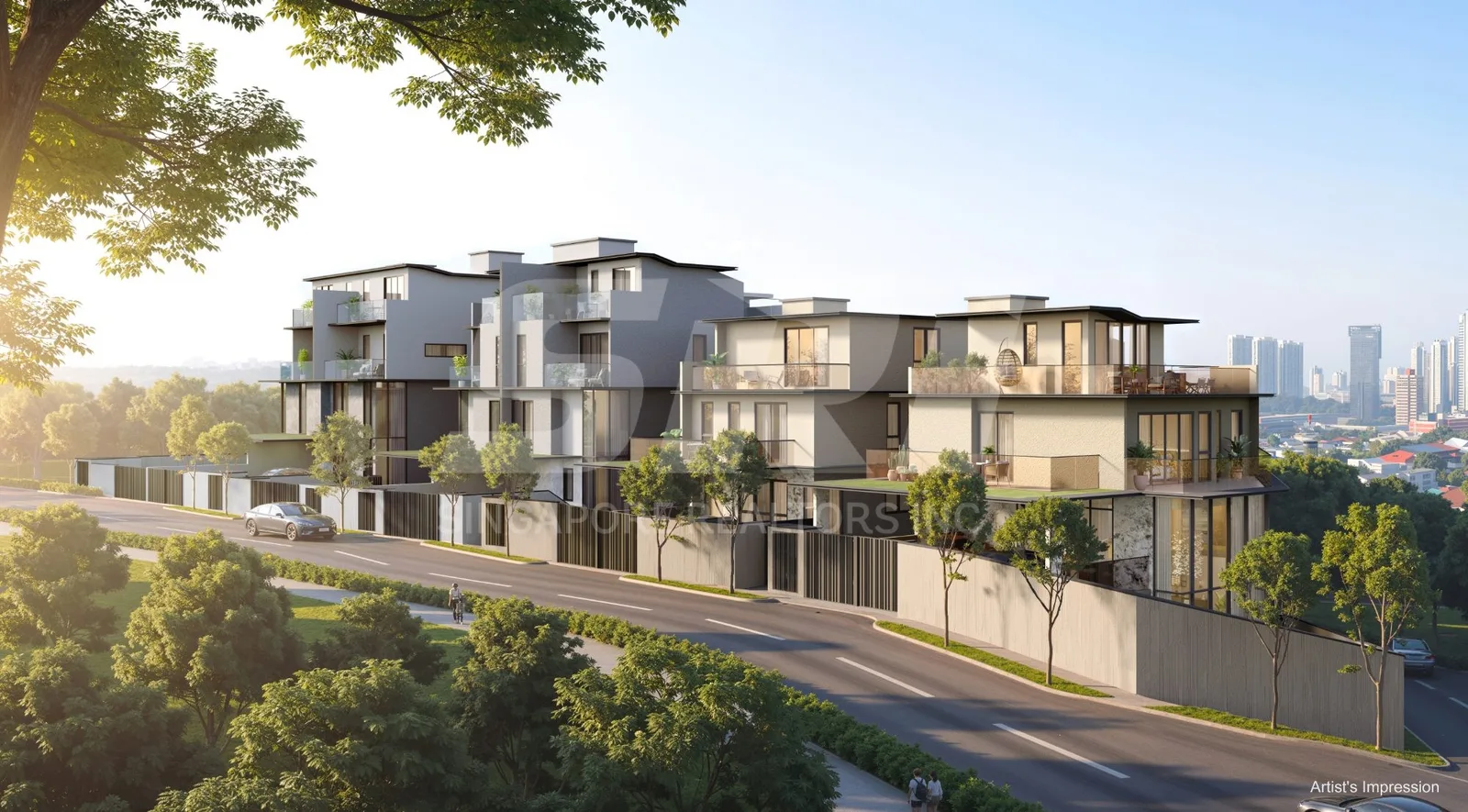
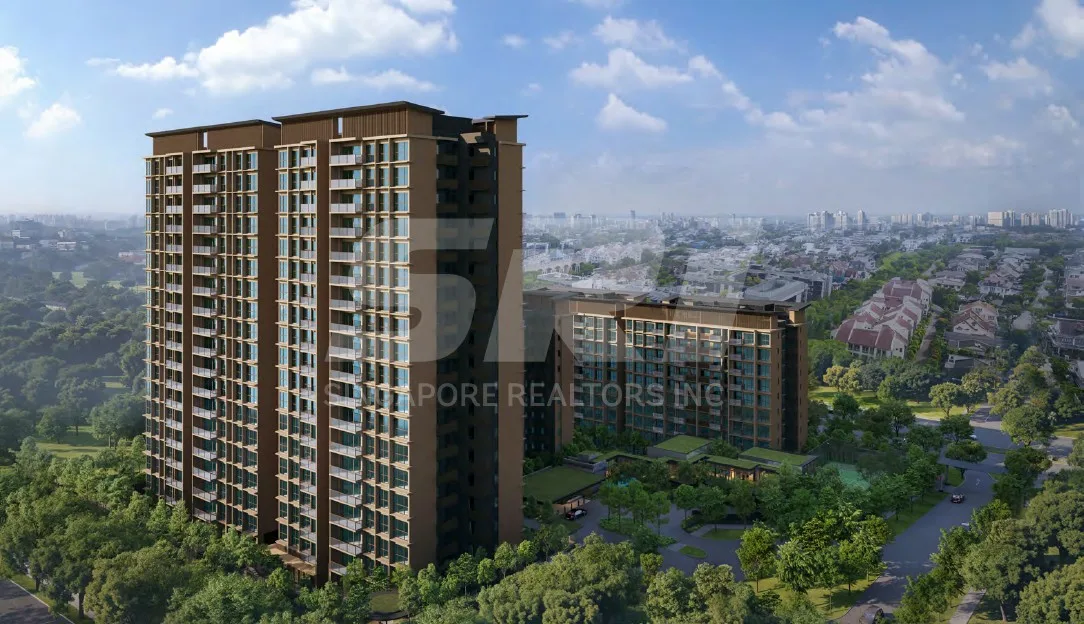
Landed housing is roughly 5% of Singapore's housing stock, and that share does not meaningfully grow. There is no mechanism by which the island produces more terrace rows or more Good Class Bungalow plots — there are around 2,800 GCBs across 39 gazetted areas, governed by strict rules on plot size and ownership. Condominiums, by contrast, are produced continuously: en bloc sites are redeveloped, government land sales release new parcels, and a single tower can add hundreds of units to a district in one go.
That structural difference showed up plainly in the second quarter of 2026. The overall private residential index rose 0.5%, while landed rents surged 2.7% in the quarter — the strongest of any segment — with prime Core Central Region rents up 1.2%, according to URA data reported by The Straits Times in July. When demand rises against fixed supply, the fixed-supply segment moves first.
None of which makes landed automatically the better buy. Landed is capital-intensive, maintenance-heavy, and far less liquid — the buyer pool for a S$20 million bungalow is a fraction of the pool for a S$3 million condominium, and that thinness cuts both ways. Foreign buyers are also largely excluded: landed property requires approval, with Sentosa Cove the designated exception. A condominium is easier to enter, easier to exit, easier to finance, and easier to rent.
The honest answer is that they are different instruments. Landed is a scarcity asset — you are buying land, and land is the part that cannot be replicated. A condominium is a cash-flow and liquidity asset, where the building matters as much as the ground beneath it, and where you can move in and out without waiting for the right one buyer to appear.
The mistake is treating them as competing answers to one question. Most people who ask "condo or landed" are actually asking two separate questions — where do I want to live, and where do I want my capital to sit — and those two answers do not have to be the same asset.