You might also like
Dive deeper – explore more blogs about real estate industry.

Finishes are the easiest things to notice and the first to date. What holds value is duller and much harder to change.

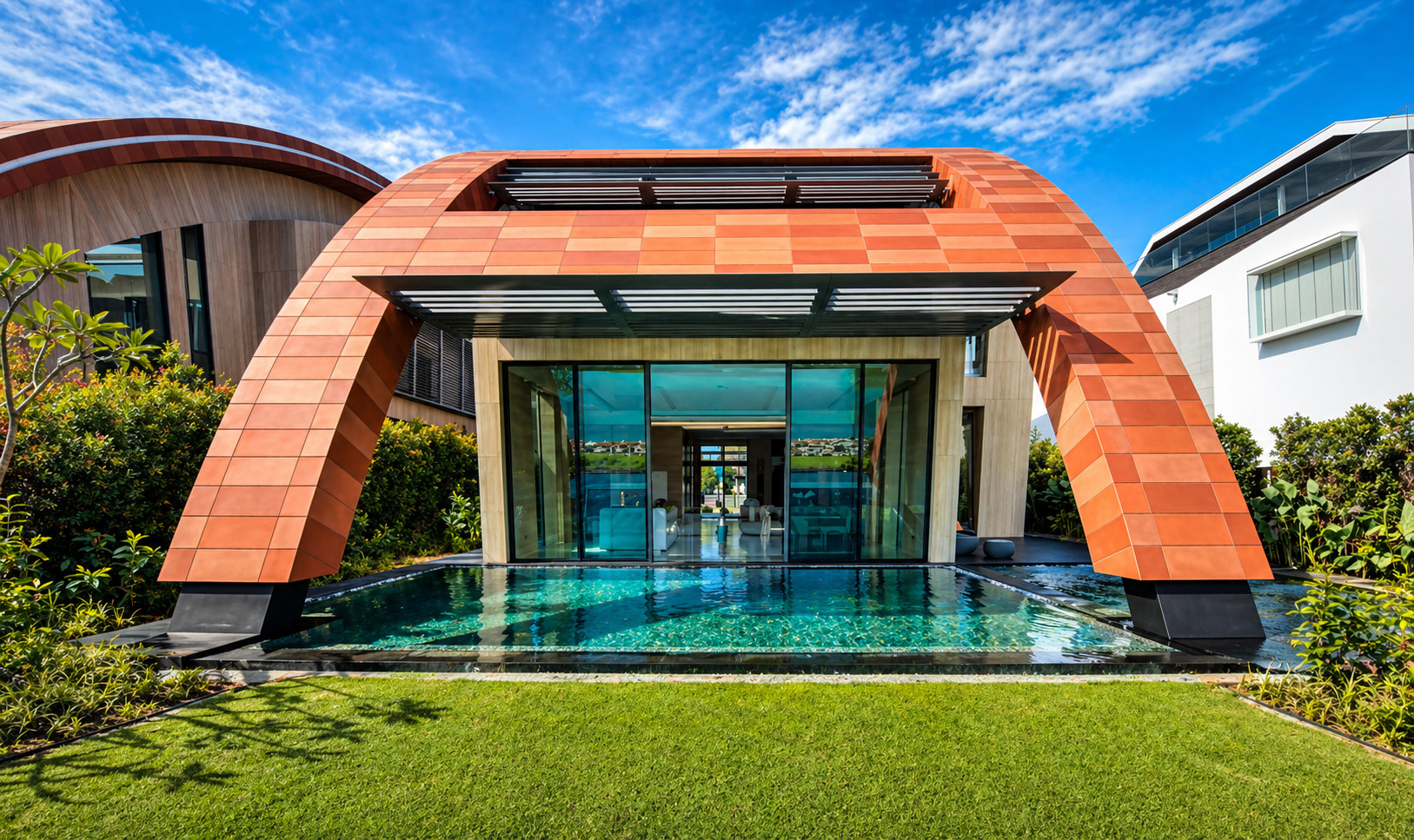
Ask what luxury buyers want and the answers tend to arrive as a list of finishes: the imported stone, the branded appliances, the smart-home system. Those are real, and they are also the most replaceable part of any home. The attributes that consistently command a premium are the ones that cannot be renovated in.
Start with tenure, because it is the one that compounds silently. Freehold and 999-year land does not decay; a 99-year lease does, and the decay accelerates as the tail shortens and financing becomes harder for the next buyer. Two otherwise identical homes diverge over a holding period purely on this, and no amount of refurbishment closes the gap.
Then land itself. For landed property, valuers and buyers alike weight land area far above built-up area, and they price plot geometry — width, regularity, frontage, road type — because those determine what can be built. It is why two houses on the same street can transact at meaningfully different levels. At the top of the market this is the whole proposition: Good Class Bungalows are scarce because the rules make them scarce, roughly 2,800 homes across 39 gazetted areas, and that scarcity is a function of the ground, not the house standing on it.
For apartments, the equivalent is position rather than specification — floor, facing, stack, and whether the outlook is protected by something that cannot be built over. A view across a reserve or a waterway is a different asset from a view across a site zoned for redevelopment, even when the two units are on the same floor of the same tower.
The market has been quietly confirming this. In the second quarter of 2026 the overall private residential index rose 0.5% while landed rents rose 2.7% and prime Core Central Region rents rose 1.2%, according to URA data reported by The Straits Times in July. The segments where supply is constrained by land and planning rules moved hardest — which is what you would expect if what buyers are really paying for is scarcity.
The practical implication for anyone buying: spend the diligence on the attributes you cannot change. Tenure, land, position and outlook are fixed at purchase. The kitchen is not.